Skip to product information
1 of 2

UT Multilayer Zirconia Disc – 98mm Ultra-Translucent Gradient Dental CAD/CAM Zirconia

Ultra-translucent multilayer zirconia disc designed for veneers, anterior crowns, smile-zone restorations, and esthetic dental CAD/CAM cases requiring maximum light transmission and natural cervical-to-incisal shade transition.

Regular price $30.00
Sale price $30.00 Regular price $35.00
Shipping calculated at checkout.
  • Designed for veneers and anterior esthetics
  • Up to 650 MPa flexural strength
  • Approx. 49% ultra gradient translucency
  • Multilayer cervical-to-incisal shade transition
  • Lab support before ordering
  • CE / FDA documentation available upon request

OnePro Dental UT Multilayer Zirconia Disc is designed for professional dental CAD/CAM milling workflows where laboratories need maximum translucency, natural shade transition, and efficient esthetic production for anterior restorations.

With approximately 49% ultra gradient translucency, UT Multilayer Zirconia helps restorations achieve improved light transmission, brightness, depth, and enamel-like vitality in veneers, anterior crowns, and smile-zone cases.

Unlike UT Pre-shaded Zirconia, UT Multilayer includes a built-in cervical-to-incisal gradient shade structure, helping create a more natural transition rather than a single uniform shade result.

With flexural strength up to 650 MPa, UT Multilayer Zirconia is designed for anterior esthetic restorations, veneers, anterior crowns, and selected short-span anterior bridges in low-stress areas. It is not intended for high-load posterior restorations or long-span bridge frameworks.

Available in a 98mm open-system disc format, multiple thicknesses, and 20 multilayer shade options, it is a practical zirconia solution for laboratories focused on maximum anterior esthetics, smile design, and natural gradient restorations.

CE and FDA-related documentation can be provided for review when applicable. Please contact us before ordering if your laboratory requires a specific certificate, batch, or technical documentation.

Why Dental Labs Choose UT Multilayer Zirconia

Designed for laboratories that need maximum translucency, natural gradient esthetics, and efficient anterior CAD/CAM production.

  • Ultra Gradient Translucency

    With approximately 49% gradient translucency, UT Multilayer Zirconia supports maximum light transmission for veneers, anterior crowns, and smile-zone restorations.

  • Multilayer Natural Esthetics

    The built-in multilayer gradient structure supports a smoother transition from cervical to incisal areas, helping create more natural-looking anterior restorations.

  • Anterior-Focused 650 MPa Strength

    With up to 650 MPa flexural strength, UT Multilayer Zirconia is designed for veneers, anterior crowns, and selected short-span anterior bridges in low-stress areas.

  • Efficient Esthetic Workflow

    The integrated multilayer shade structure helps reduce manual staining steps for many standard esthetic cases while supporting consistent laboratory production.

1 of 4
OnePro Dental UT Multilayer zirconia disc packaging for high-translucency anterior CAD CAM restorations

UT Multilayer Zirconia for Maximum Anterior Esthetics

UT Multilayer Zirconia is developed for dental laboratories that need maximum translucency and natural gradient shade transition for anterior esthetic restorations.

Compared with UT Pre-shaded Zirconia, UT Multilayer provides a cervical-to-incisal gradient rather than a single uniform shade. This helps restorations achieve a more natural depth and transition in veneers, anterior crowns, and smile-zone cases.

Compared with SHT Multilayer Zirconia, UT Multilayer offers higher translucency for esthetic-critical anterior restorations, while SHT Multilayer provides higher strength for cases requiring broader indication coverage.

  • Ultra-translucent zirconia for maximum anterior esthetics
  • Natural cervical-to-incisal shade transition
  • Suitable for veneers, anterior crowns, and smile-zone cases
  • More natural gradient effect than uniform pre-shaded zirconia
  • Best used in low-stress anterior applications

Multilayer Gradient Structure

Designed to support a smoother cervical-to-incisal transition for more natural-looking anterior zirconia restorations.

UT Multilayer Zirconia is designed with a multilayer gradient structure that transitions from higher-chroma cervical areas to more translucent incisal areas. This helps dental laboratories create restorations with improved depth, brightness, and enamel-like appearance after sintering.

The gradient structure is especially useful for anterior and smile-zone cases where a single uniform shade may look too flat, but the laboratory still needs an efficient CAD/CAM workflow.

  • Cervical Area

    Designed with stronger chroma expression to support a more natural cervical shade appearance.

  • Body Area

    Provides a balanced transition zone for the main crown body shade and overall restoration harmony.

  • Incisal Area

    Designed with improved translucency to help create a more lifelike incisal effect.

1 of 3

Available Shade Options

Choose from 20 ultra-translucent multilayer shade options to support natural tooth shades, bleach-shade cases, and high-esthetic anterior production.

Shade Group Available Shades Typical Use
A Series A1, A2, A3, A3.5, A4 Common natural tooth shades
B Series B1, B2, B3, B4 Brighter yellowish shade cases
C Series C1, C2, C3, C4 Grayish shade cases
D Series D2, D3, D4 Reddish-gray shade cases
BL Series BL1, BL2, BL3, BL4 Bleach and whitening cases

Total: 20 multilayer shade options, including 16 commonly used natural shades and 4 bleach shades. Additional surface stain or glaze can still be applied if final characterization or shade adjustment is required.

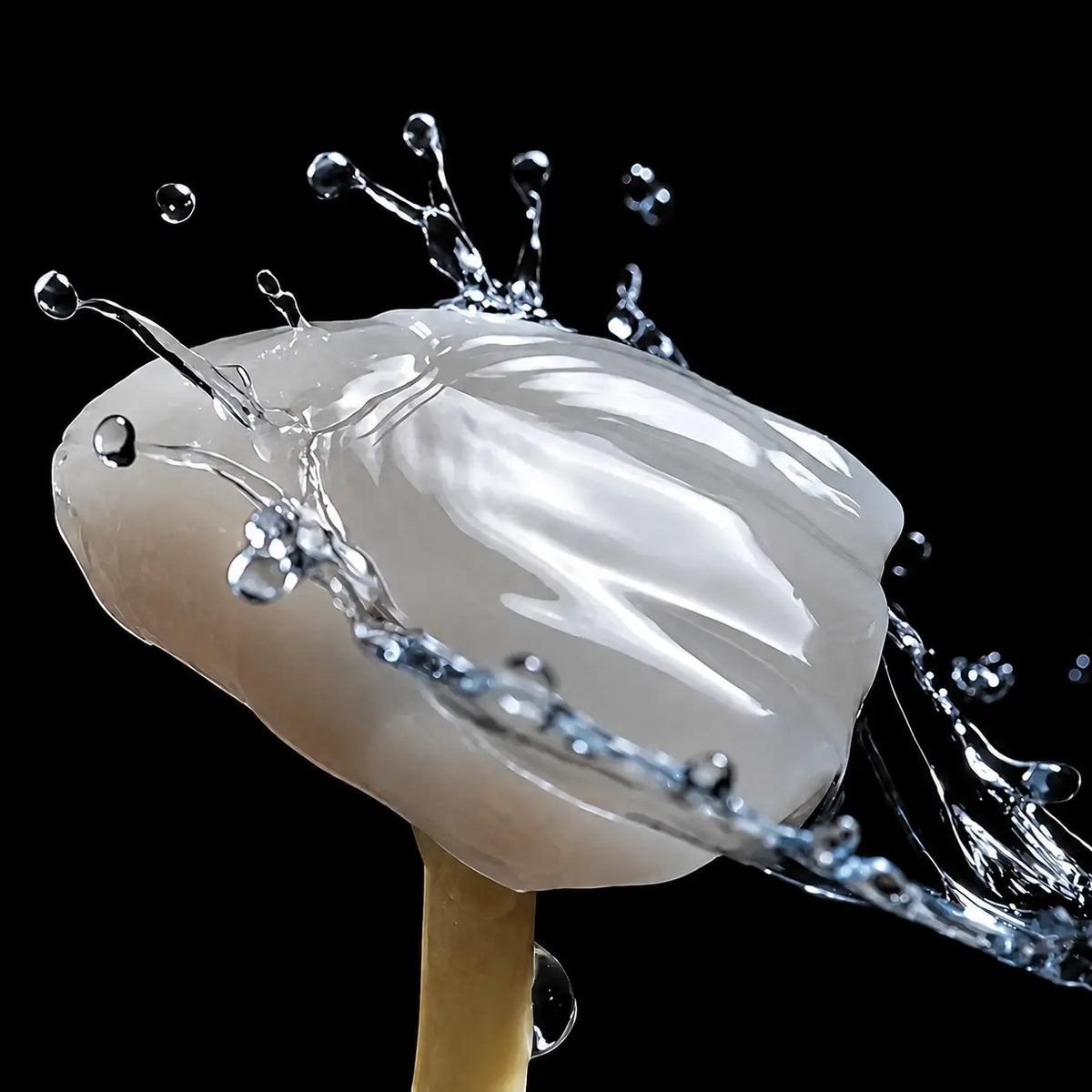
UT Multilayer zirconia crown with natural cervical-to-incisal gradient translucency, shown in a close-up studio shot with water splash effect

Recommended Applications

OnePro Dental UT Multilayer Zirconia Discs are intended for professional dental laboratory milling of anterior esthetic restorations that require maximum translucency, natural gradient shade transition, and enamel-like appearance.

The final material selection should be determined according to the restoration type, occlusal load, esthetic requirements, milling system, sintering protocol, applicable regulations, and the assessment of qualified dental professionals.

  • Anterior veneers
  • Anterior single crowns
  • Incisor and canine restorations
  • Smile-zone esthetic restorations
  • High-end cosmetic anterior cases
  • Short-span anterior bridges, up to 3 units, in low-stress areas
  • Cases requiring maximum light transmission
  • Cases requiring natural cervical-to-incisal shade transition
  • Esthetic restorations where gradient effect is preferred

Technical Specifications

Parameter Value
Material Zirconia
Series UT Multilayer
Material Type 5Y-PSZ Zirconia, ultra-translucent multilayer gradient
Flexural Strength Up to 650 MPa
Translucency Approx. 49% gradient
Recommended Sintering Temperature Approx. 1450°C
Available Shades A1, A2, A3, A3.5, A4, B1, B2, B3, B4, C1, C2, C3, C4, D2, D3, D4, BL1, BL2, BL3, BL4
Density After Sintering Approx. 6.05 g/cm³
Linear Shrinkage Follow the batch-specific shrinkage value marked on the disc
Vickers Hardness Approx. 1100 HV
Disc Diameter 98mm
Available Thicknesses 12mm, 14mm, 16mm, 18mm, 20mm, 22mm, 25mm
CAD/CAM Compatibility Open 98mm dental CAD/CAM systems

Quality & Regulatory Documentation

Quality-system, regulatory, and product documentation can be reviewed before ordering when required by the dental laboratory.

  • CE Documentation

    CE-related documentation is available for the applicable zirconia product family. Please contact us before ordering if your laboratory requires specific certificate information.

  • FDA-Related Documentation

    FDA-related product or establishment documentation can be provided for review when applicable. Documentation does not replace the laboratory’s own regulatory verification.

  • Material & Batch Support

    Batch information, product details, and available material documentation can be supplied upon request for laboratory records and customer documentation needs.

  • Lab Support Before Ordering

    Our team can help confirm product series, thickness, shade workflow, sintering requirements, and available documentation before you place an order.

1 of 4
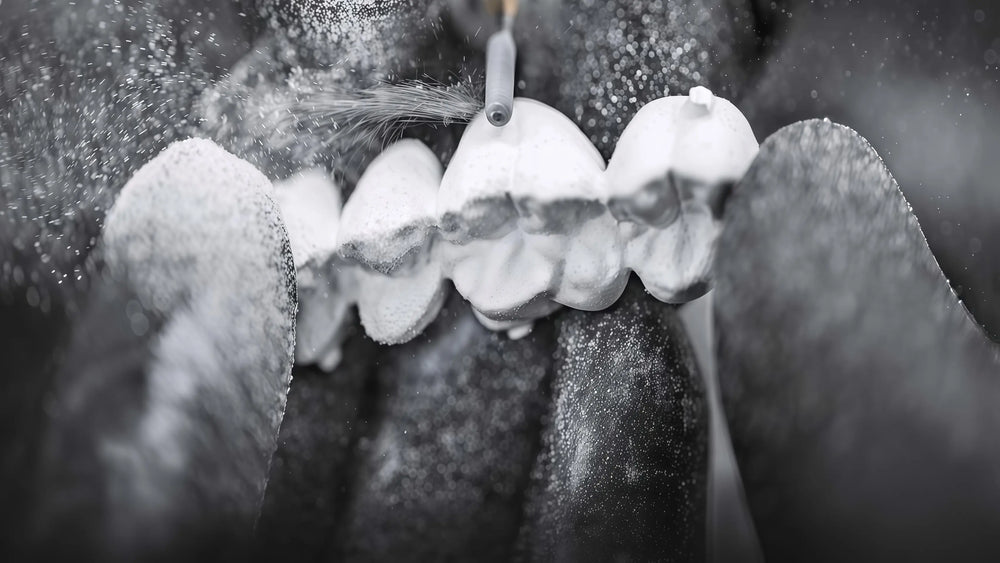
UT multilayer zirconia disc being milled in a dental CAD CAM machine for dental lab restorations

Recommended UT Multilayer Zirconia Workflow

  1. Select the required multilayer shade and disc thickness according to the anterior restoration design.
  2. Design the restoration in CAD software based on veneer, crown, or short-span anterior bridge requirements.
  3. Confirm that the case is suitable for UT zirconia based on load, indication, and professional assessment.
  4. Confirm the correct cervical-to-incisal orientation before nesting.
  5. Position the cervical area toward the higher-chroma side and the incisal edge toward the more translucent side.
  6. Nest the restoration properly in the 98mm multilayer zirconia disc and confirm the milling strategy.
  7. Mill the restoration using a zirconia-compatible CAD/CAM milling system and validated milling parameters.
  8. Clean the milled restoration carefully and remove zirconia dust before sintering.
  9. Sinter according to the recommended furnace program and batch-specific instructions.
  10. Apply surface stain or glaze only if additional characterization or final shade adjustment is required.
  11. Finish, polish, and inspect the final restoration before delivery.

UT Multilayer vs. UT Pre-shaded vs. SHT Multilayer Zirconia

Choose UT Multilayer for maximum anterior gradient esthetics. Choose UT Pre-shaded for uniform shade efficiency. Choose SHT Multilayer when more strength is required.

Feature UT Multilayer Zirconia UT Pre-shaded Zirconia SHT Multilayer Zirconia
Strength Up to 650 MPa Up to 650 MPa Up to 1000 MPa
Translucency Approx. 49% gradient Approx. 49% uniform Approx. 47% gradient
Material Type 5Y-PSZ 5Y-PSZ 4Y-PSZ
Shade Structure Multilayer gradient shade Uniform pre-shaded color Multilayer gradient shade
Esthetic Effect Maximum anterior gradient esthetics Efficient anterior shade result Natural esthetics with more strength
Best For Veneers, anterior crowns, and smile-zone esthetics Veneers and anterior esthetics with shade efficiency Esthetic cases needing more strength
Posterior Use Not recommended Not recommended Selected moderate-load cases only
Recommended Choice Choose for maximum translucency with natural gradient Choose for maximum translucency with uniform shade efficiency Choose when more strength is required

Recommendation

Choose UT Multilayer Zirconia when maximum translucency and natural cervical-to-incisal gradient are the priority.

Choose UT Pre-shaded Zirconia when efficient uniform shade workflow is more important.

Choose SHT Multilayer Zirconia when the case requires more strength and broader indication coverage.

What is UT Multilayer Zirconia best used for?

UT Multilayer Zirconia is best used for anterior esthetic restorations where maximum translucency, natural gradient shade transition, and enamel-like appearance are required, including veneers, anterior crowns, smile-zone restorations, and selected short-span anterior bridges in low-stress areas.

What is the translucency of UT Multilayer Zirconia?

UT Multilayer Zirconia has approximately 49% gradient translucency, helping restorations achieve maximum light transmission, brightness, and natural anterior esthetics.

What is the flexural strength of UT Multilayer Zirconia?

UT Multilayer Zirconia provides flexural strength up to 650 MPa. It is designed for anterior esthetic applications rather than high-load posterior restorations.

What is the difference between UT Multilayer and UT Pre-shaded Zirconia?

UT Pre-shaded Zirconia has a uniform pre-integrated shade, while UT Multilayer Zirconia has a cervical-to-incisal gradient shade transition. UT Multilayer is preferred when a more natural anterior gradient effect is required.

What is the difference between UT Multilayer and SHT Multilayer Zirconia?

UT Multilayer Zirconia offers higher translucency, approximately 49%, and is optimized for maximum anterior esthetics. SHT Multilayer Zirconia offers higher strength, up to 1000 MPa, and may be preferred when more mechanical reliability and broader indication coverage are required.

Is UT Multilayer Zirconia suitable for posterior restorations?

UT Multilayer Zirconia is not recommended for posterior crowns, long-span bridges, high-load cases, or severe bruxism cases. For these applications, SHT, ST, or HT zirconia series may be more suitable.

Do I need to stain UT Multilayer Zirconia before sintering?

In many standard esthetic cases, manual pre-sintering staining can be reduced because the gradient shade is already integrated into the material. However, surface stain or glaze can still be applied after sintering when additional characterization or final shade adjustment is needed.

How should I position the restoration in the multilayer disc?

The restoration should be nested according to the correct cervical-to-incisal direction. The cervical area should be positioned toward the higher-chroma side, and the incisal area should be positioned toward the more translucent side. Incorrect orientation may reverse the gradient and affect the final shade transition.

Which CAD/CAM systems are compatible?

This product is supplied in a 98mm open-system disc format and is compatible with many open dental CAD/CAM milling systems that support 98mm zirconia discs. Please confirm your machine holder and milling strategy before ordering.

Can you provide CE and FDA-related documentation?

Yes. CE and FDA-related documentation can be provided for review when applicable. Please contact us before ordering if your laboratory requires a specific certificate, batch, or regulatory documentation.

Explore More Zirconia Options

Compare different zirconia series for strength, translucency, shade workflow, and restoration indications.

  • UT White Zirconia

    Ultra-translucent white zirconia for anterior esthetic cases requiring custom staining and flexible shade control.

  • UT Pre-shaded Zirconia

    Ultra-translucent pre-shaded zirconia for anterior esthetic cases requiring simplified uniform shade workflow.

  • SHT Multilayer Zirconia

    High-translucency multilayer zirconia for esthetic cases requiring more strength and broader indication coverage.

  • 3D Pro Multilayer Zirconia

    Premium gradient multilayer zirconia for natural shade transition and high-end esthetic restorations.

1 of 4

Need Help Choosing the Right Zirconia Disc?

Tell us your milling machine, restoration type, required shade, thickness, sintering workflow, and case requirements.

Our team will help you confirm the suitable zirconia series, disc thickness, shade option, and available technical documents before ordering.