Skip to product information
1 of 4

Pressable Lithium Disilicate Glass Ceramic Ingots – 470 MPa

High-strength pressable lithium disilicate glass ceramic ingots designed for professional dental laboratories using conventional or digitally assisted hot-press ceramic workflows. Featuring 470 MPa flexural strength, HT and LT translucency options, 20 shades, and excellent press-flow characteristics for esthetic crowns, veneers, inlays, and onlays.

Regular price $59.00
Sale price $59.00 Regular price $75.00
Shipping calculated at checkout.
  • Natural Translucency, Fluorescence & Opalescence
  • 470 MPa Flexural Strength
  • HT & LT Translucency Options
  • 20 Shade Options
  • Lab support before ordering
  • Designed for Hot-Press Ceramic Workflows

OnePro Dental Pressable Lithium Disilicate Glass Ceramic Ingots are high-strength press ceramic materials designed for professional dental laboratories using lost-wax hot-press workflows.

With a flexural strength of 470 MPa, the material combines reliable mechanical performance with the optical characteristics of lithium disilicate glass ceramic, including translucency, fluorescence, and opalescence for esthetic restorative applications.

Available in HT and LT translucency options and 20 shades, the ingots support different optical and masking requirements for crowns, veneers, inlays, onlays, and other appropriate press-ceramic restorations.

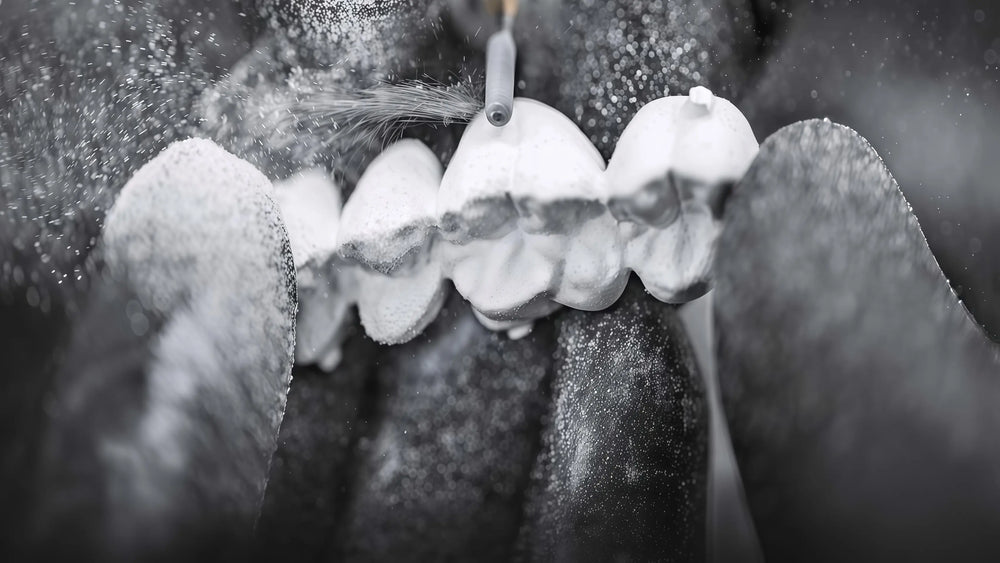
The material can be integrated into both conventional wax-up workflows and digitally assisted workflows using CAD-designed, 3D-printed, or CAD/CAM-milled patterns. After investing and burnout, the lithium disilicate ingot is hot-pressed into the prepared mold cavity, followed by divesting, reaction-layer removal, finishing, characterization, polishing, or glazing as required.

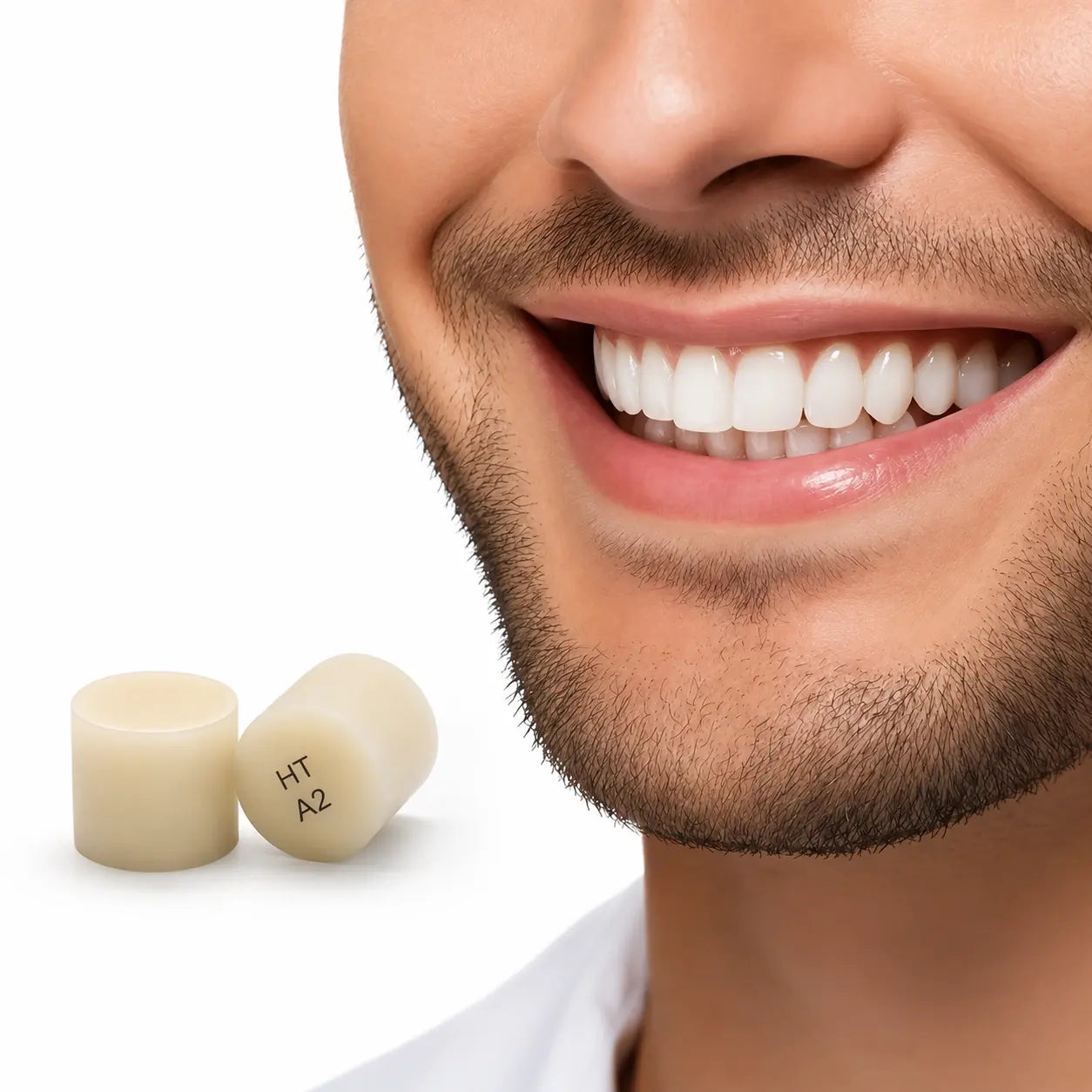
HT A2 pressable lithium disilicate glass ceramic ingot with 13mm diameter and 10mm height dimensions for dental restorations

Pressable Lithium Disilicate for Dental Laboratory Workflows

A high-strength glass ceramic developed for conventional and digitally assisted hot-press restorative workflows.

OnePro Dental Pressable Lithium Disilicate Glass Ceramic Ingots are designed for laboratories that prefer the precision and flexibility of the lost-wax press ceramic technique.

The material provides 470 MPa flexural strength together with the optical characteristics associated with lithium disilicate glass ceramic, including translucency, fluorescence, and opalescence.

The pressing workflow can begin with a conventional wax-up or with a digitally designed pattern produced through 3D printing or CAD/CAM wax milling. After spruing, investing, burnout, and hot pressing, the ceramic fills the mold cavity created by the pattern.

This workflow gives dental laboratories a practical press-ceramic solution for producing esthetic crowns, veneers, inlays, onlays, and other appropriate restorations.

Why Dental Labs Choose OnePro Pressable Lithium Disilicate

High strength, esthetic optical properties, reliable press flow, and flexible shade selection for professional press-ceramic production.

  • 470 MPa Flexural Strength

    The current material specification provides 470 MPa flexural strength, supporting reliable performance for appropriate esthetic press-ceramic restorations.

  • Natural Optical Properties

    Lithium disilicate glass ceramic provides translucency, fluorescence, and opalescent characteristics that support natural-looking restorative results.

  • Excellent Press Flow

    The material is designed with suitable flow characteristics to support effective filling of the invested mold cavity during the hot-press ceramic process.

  • 20 Shades with HT & LT Options

    Choose from 20 shade options and two translucency levels to support different preparation colors, masking requirements, restoration thicknesses, and esthetic objectives.

1 of 4

HT vs. LT: Choose the Right Translucency

Select translucency according to the preparation color, restoration thickness, masking requirements, and desired optical result.

  • HT – High Translucency

    HT provides greater light transmission and is suitable for cases where a more translucent optical effect is preferred.

    Typical considerations:

    • Greater light transmission
    • Natural optical depth
    • Esthetic-focused restorations
    • Selected veneers, inlays, onlays, and crowns
    • Cases with a favorable underlying preparation color
  • LT – Low Translucency

    LT provides lower light transmission than HT and gives the laboratory greater control over the influence of the underlying preparation color.

    Typical considerations:

    • Greater masking capability than HT
    • More controlled substrate influence
    • Versatile crown workflows
    • Restorations requiring additional opacity
    • Cases where shade control is more important
1 of 2
Close-up of anterior veneer restorations made with pressable lithium disilicate glass ceramic

Recommended Applications

Designed for esthetic press-ceramic restorations where reliable strength and natural optical characteristics are required.

OnePro Dental Pressable Lithium Disilicate can be considered for a range of appropriate esthetic restorative applications, including:

  • Anterior single crowns
  • Posterior single crowns where appropriate
  • Veneers
  • Selected thin veneer workflows
  • Inlays
  • Onlays
  • Partial-coverage restorations
  • Other appropriate lithium disilicate press-ceramic restorations

The material is particularly useful for laboratories that want to combine the esthetics of a glass ceramic with the design flexibility of a wax-pattern and hot-press workflow.

20 Shade Options with HT & LT Translucency

Select the shade and translucency according to the restoration design and desired final esthetic result.

Shade Group Available Shades
A Shades A1, A2, A3, A3.5, A4
B Shades B1, B2, B3, B4
C Shades C1, C2, C3, C4
D Shades D2, D3, D4
OM Shades OM1, OM2, OM3, OM4

Available Translucency Options

HT – High Translucency

LT – Low Translucency

Note

Final restoration appearance depends on multiple factors, including ingot shade, translucency, restoration thickness, preparation color, pressing accuracy, characterization, glazing, polishing, and the selected bonding or cementation system.

For demanding esthetic cases, evaluate these factors together rather than selecting the ingot by shade alone.

Pressable Ingot Size & Packaging

A standardized ingot format designed for professional dental hot-press ceramic workflows.

  • Ingot Dimensions

    • Diameter: Ø13 mm
    • Height: 10 mm

    Approx. Weight: 3.20 g per ingot

    Select the required ingot quantity according to the wax-pattern volume, restoration design, and pressing workflow.

  • Packaging

    • 10 Pressable Ingots per Box
    • Available in 20 shades with HT and LT translucency options.

    Please confirm the required shade, translucency, and quantity before ordering.

1 of 2

Technical Specifications

Parameter Specification
Product Type Pressable Dental Glass Ceramic Ingot
Material Lithium Disilicate Glass Ceramic
Flexural Strength 470 MPa
Elastic Modulus 83 GPa
Vickers Hardness 645 HV
Fracture Toughness 2.2 MPa·m1/2
Density 2.49 g/cm³
Coefficient of Thermal Expansion (25–500°C) 11.3 × 10⁻⁶/K
Linear Shrinkage Rate 0.09%
Translucency Options HT / LT
Shade Options 20
Ingot Size Ø13 × 10 mm
Approx. Ingot Weight 3.20 g
Processing Method Lost-Wax Hot-Press Ceramic Workflow
Recommended Pressing Temperature Approx. 910°C
Primary User Professional Dental Laboratories
Technical Documentation Available Upon Request

Technical Note

The values above are based on the current product technical specifications.

Actual processing results depend on correct pattern design, investing, burnout, furnace calibration, pressing parameters, divesting, finishing, and laboratory technique.

Always follow the current product-specific processing instructions and the applicable equipment and material manufacturer's recommendations.

Supports Conventional & Digitally Assisted Press Workflows

Choose the pattern-production method that best fits your laboratory while maintaining a controlled lost-wax pressing process.

  • Conventional Wax-Up

    Create the restoration pattern manually using a suitable burnout wax and conventional dental laboratory waxing techniques.

  • CAD + 3D-Printed Pattern

    Complete the restoration design digitally and produce a compatible burnout pattern using an appropriate 3D-printing workflow.

  • CAD/CAM-Milled Wax Pattern

    Digital designs can also be transferred into a millable wax pattern using an appropriate CAD/CAM wax-milling workflow.

  • Hot-Press Ceramic Processing

    After pattern production, complete spruing, investing, burnout, and hot pressing using a compatible dental press furnace and validated laboratory workflow.

1 of 4
Pressable lithium disilicate glass ceramic ingot hot-press workflow showing HT A2 ingot and final molar and anterior restorations

Recommended Hot-Press Ceramic Workflow

  1. Create the Wax or Digital Pattern
    Produce the restoration pattern using conventional wax-up, a compatible 3D-printed burnout pattern, or a CAD/CAM-milled wax pattern.
  2. Attach the Sprues
    Connect the restoration pattern to the pressing channel using an appropriate sprue design that allows the softened glass ceramic to flow into the mold cavity.
  3. Invest the Pattern
    Place the sprued pattern into the investment ring and mix and pour the applicable investment material according to the investment-system instructions.
  4. Allow the investment material to set before burnout.
    The current laboratory workflow uses an approximate 30-minute setting period. Always follow the instructions of the selected investment system.
  5. Complete High-Temperature Burnout
    Burn out the wax or compatible pattern material to create the internal mold cavity that will reproduce the final restoration shape.
  6. Press the Lithium Disilicate Ingot
    Place the selected lithium disilicate ingot into the pressing system and complete the applicable product-specific hot-press cycle.
  7. Cool, Divest & Separate
    After pressing and appropriate cooling, remove the investment material, separate the restoration from the sprue system, inspect the pressed ceramic, and complete the required cleaning or sandblasting procedure.
  8. Remove the Reaction Layer & Finish
    Remove the surface reaction layer using the applicable finishing procedure, then complete grinding, polishing, characterization, or glazing according to the desired final restoration.

Pressing & Burnout Guidance

  • Investment Setting

    After the wax or digital pattern has been sprued and invested, allow sufficient time for the investment material to set before beginning the burnout cycle.

    The current laboratory workflow uses approximately 30 minutes. Follow the specific instructions of the investment system being used.

  • High-Temperature Burnout

    The burnout step removes the wax or burnout pattern and creates the cavity that determines the shape of the final restoration.

    Complete burnout is essential before pressing the lithium disilicate ceramic.

  • Hot Pressing

    The softened lithium disilicate glass ceramic is pressed into the prepared cavity under high temperature and pressure.

    Recommended Pressing Temperature:
    Approx. 910°C

    Use the current product-specific pressing program and confirm furnace calibration before processing.

  • Divesting & Reaction-Layer Removal

    After pressing and cooling, carefully remove the investment material and separate the pressed restoration.

    Complete the required cleaning, sandblasting, reaction-layer removal, grinding, polishing, characterization, and glazing procedures according to the laboratory workflow.

1 of 4

Which Glass Ceramic Workflow Is Right for Your Lab?

Choose the material according to your equipment, preferred processing method, restoration type, and production workflow.

Product Workflow Core Positioning Typical Laboratory Use
Lithium Disilicate CAD/CAM Blocks Mill → Crystallize → Finish Approx. 420 MPa digital lithium disilicate workflow Esthetic crowns, veneers, inlays and onlays
U-ZEE Direct-Mill Glass Ceramic Mill → Polish → Finish No post-milling crystallization required Faster and simplified single-unit CAD/CAM workflows
U-ZEE Pro Dazzling Veneer Ceramic Mill → Finish Veneer-focused esthetic workflow Selected thin and whitening veneer applications

Recommendation

Choose Pressable Lithium Disilicate Ingots when your laboratory has an established press-ceramic workflow and wants to combine 470 MPa flexural strength with the design flexibility of conventional or digitally produced patterns.

Choose Lithium Disilicate CAD/CAM Blocks when a digital mill-and-crystallize workflow is preferred.

Choose U-ZEE Direct-Mill when reducing post-milling firing steps is the priority.

Choose U-ZEE Pro Dazzling for selected veneer-focused esthetic workflows.

What is pressable lithium disilicate?

Pressable lithium disilicate is a dental glass ceramic processed through a lost-wax hot-press technique. A wax or compatible digital pattern is invested and burned out, and the heated ceramic ingot is then pressed into the resulting mold cavity.

What is the flexural strength of these ingots?

The current product specification is 470 MPa flexural strength when the material is processed according to the applicable pressing and finishing instructions.

What is the difference between HT and LT?

HT provides higher light transmission and is generally preferred when greater translucency is desired.

LT provides lower light transmission and more control over the influence of the underlying preparation.

Selection should consider preparation shade, restoration thickness, masking requirements, and desired final appearance.

Which restorations can be made with pressable lithium disilicate?

Typical laboratory applications include appropriate single crowns, veneers, inlays, onlays, and partial-coverage restorations.

Final indication should follow the applicable product documentation and restoration-design requirements.

Can I use a digital workflow with pressable lithium disilicate?

Yes. The restoration pattern may be designed digitally and produced using a compatible 3D-printed burnout pattern or CAD/CAM-milled wax pattern before investing and pressing.

What is the recommended pressing temperature?

The current recommended pressing workflow uses an approximate temperature of 910°C.

Always use the current product-specific pressing guidance and confirm the settings for your press furnace before processing.

Does the material require crystallization after pressing?

The current workflow is based on hot pressing followed by cooling, divesting, reaction-layer removal, finishing, characterization, polishing, or glazing as required.

A separate post-press crystallization step is not included in the current processing workflow provided for this product.

What is the difference between pressable ingots and lithium disilicate CAD/CAM blocks?

Pressable ingots use a pattern, investment, burnout, and hot-press workflow.

Lithium disilicate CAD/CAM blocks are digitally milled and then require post-milling crystallization.

The better option depends on your laboratory equipment, preferred workflow, and restoration requirements.

Which press furnace can I use?

Compatibility depends on the furnace's press-ceramic capability and available program settings.

Send us your exact press-furnace brand and model if you need help reviewing the recommended processing workflow.

Explore More Glass Ceramic Solutions

Compare milling, pressing, direct-mill, and veneer-focused ceramic workflows for your laboratory.

  • Lithium Disilicate CAD/CAM Blocks

    Approx. 420 MPa lithium disilicate blocks for a digital mill-and-crystallize restorative workflow.

  • U-ZEE Direct-Mill Glass Ceramic

    A direct-mill glass ceramic designed for a simplified workflow without post-milling crystallization.

  • U-ZEE Pro Dazzling Veneer Ceramic

    A veneer-focused ceramic solution designed for selected thin and whitening veneer workflows.

  • Glass Ceramic Collection

    Compare all OnePro Dental lithium disilicate and glass ceramic solutions by workflow, restoration type, and processing requirements.

1 of 4

Need Help with Your Lithium Disilicate Press Workflow?

Tell us your press furnace brand and model, restoration type, selected HT or LT translucency, shade, investment system, ring configuration, and required quantity.

Our team can help you confirm product specifications, review the recommended pressing workflow, compare suitable glass ceramic options, and provide available technical documentation before ordering.